
Most adults really
don’t get it.
CHILD & TEEN THERAPY | VIRTUALLY OR IN-HOME
When it comes to therapy for your child or teen, the only thing that matters is whether they want to talk. And the thing they’re dreading is one more adult trying to manage them as soon as they start to share.
That’s why I don’t.
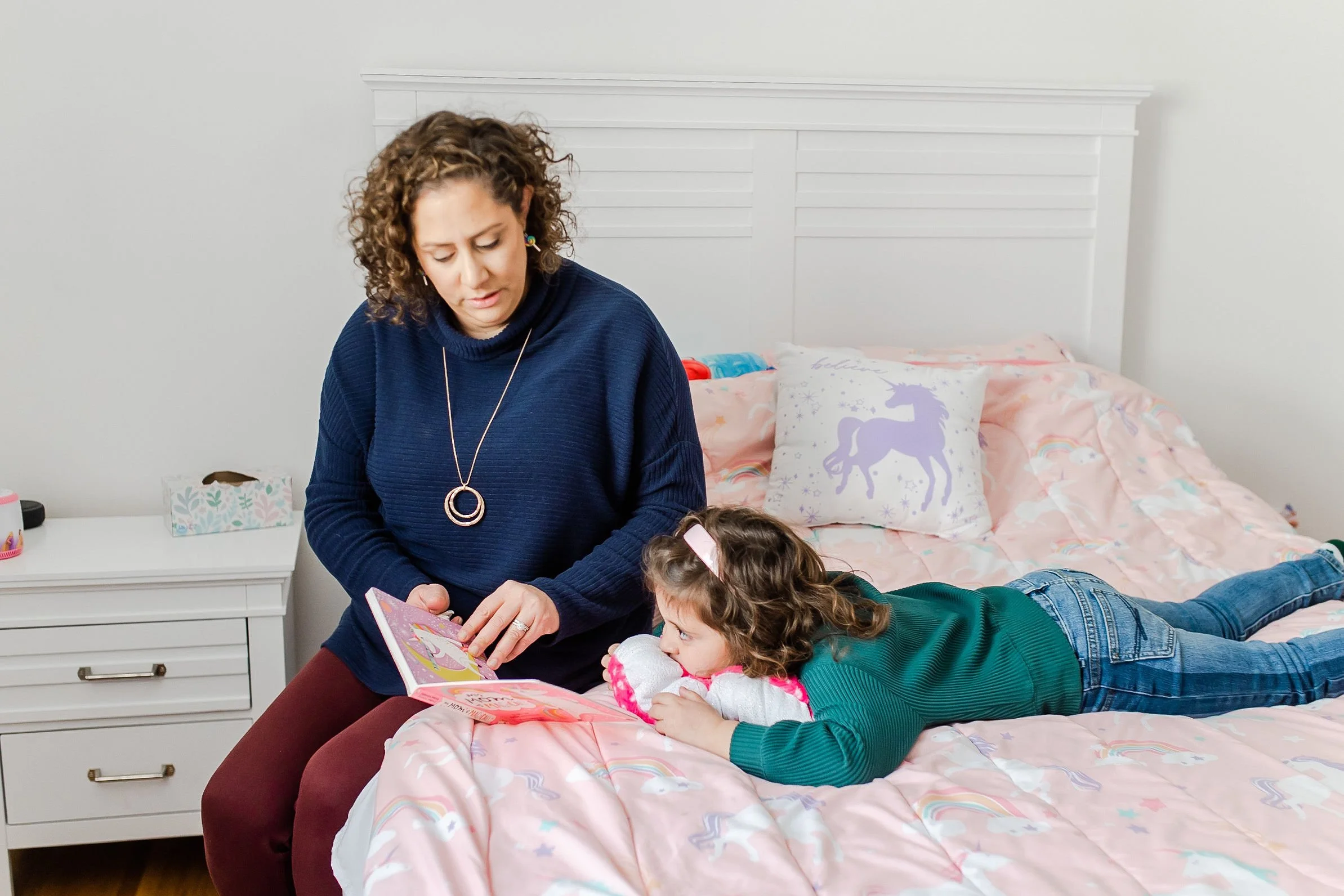
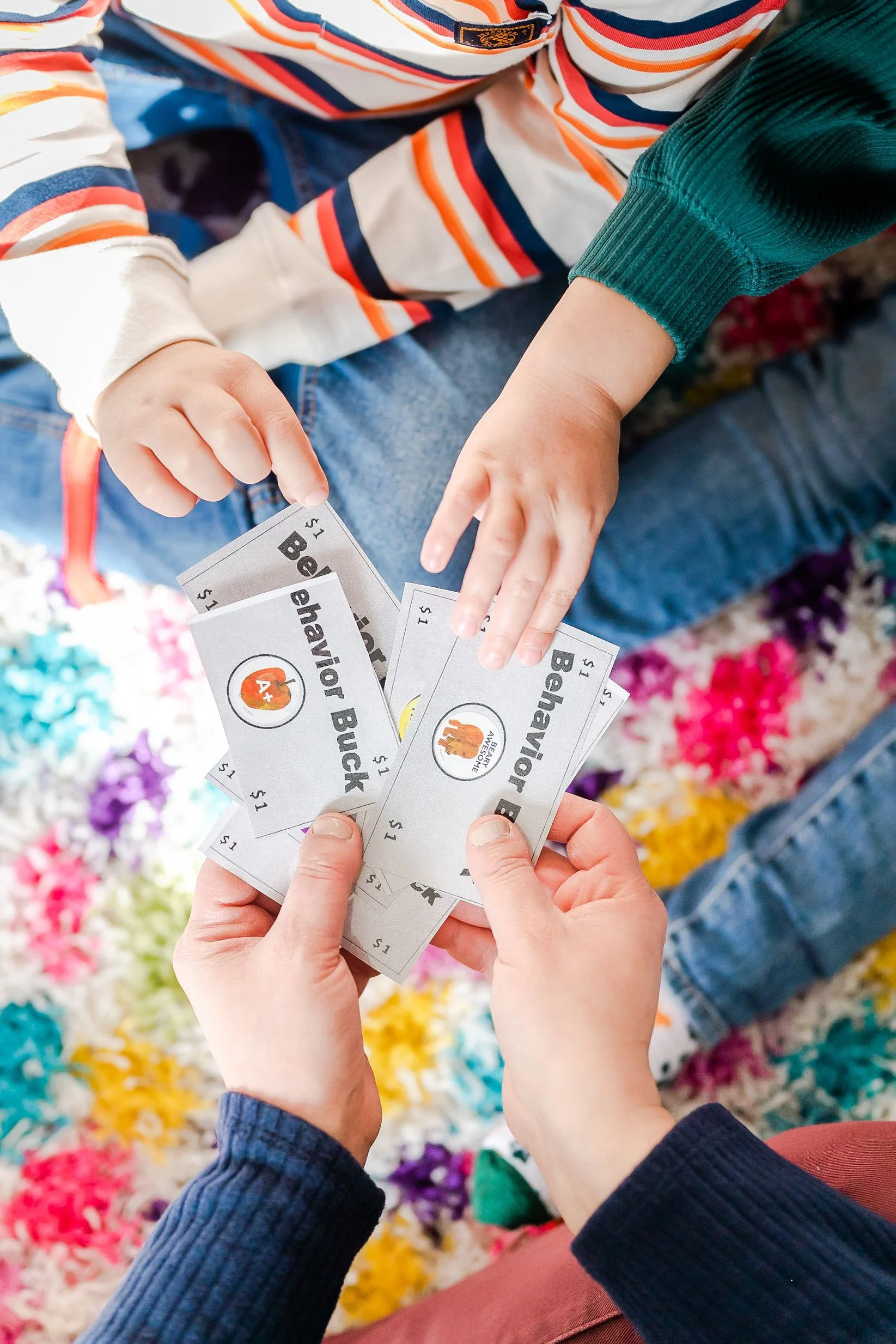
How is child/teen therapy different?
Children and teens decide quickly whether to trust a new person. I respect my young clients as independent people with valid feelings and experiences—I don’t try to manage or manipulate them. That respect often translates to trust and a willingness to open up. Therapy isn’t always a young person’s choice, unlike most adult clients who have willingly signed themselves up, and that’s why early trust is so critically important.
Therapy with young people also needs to adapt to each client’s unique needs. Not all young children want to play games, and not all teens want to bring in the lyrics to their favorite song. I don’t bring preconceived notions to my work—I let the client in front of me show me what they need, and then I can take the lead from there.
The questions parents
often ask me:
What if my kid won’t talk to you?
Then we work with that, because refusing is information too.
A kid who won’t engage is telling me something about how it goes at home when someone tries to make them. I don’t force it and I don’t bribe it.
Will you tell me what my child says?
You’ll know the rules before we start, and so will they.
We agree up front on what I share, what stays between your child and me, and the safety exceptions that override both. Your kid gets told the same thing I tell you. That’s the only version that works — a child who thinks I’m reporting to you will simply manage me.
How do I bring it up without making my kid feel like something’s wrong with them?
Tell them the truth: this is about how things are going in the family, not about fixing them.
It’s the most common question I get and there’s a good answer. If you want, we’ll script it together on the consult before you say a word to your child.
Will some sessions be just us, without our child?
Often, yes — when what’s going on with your child is tangled up in how the adults are handling it.
Those sessions look at how you’re handling things — with your child, and with each other. It isn’t about deciding whose fault it is. Your child will know those sessions are happening, and why.
At our house, or online?
For younger kids, usually the house. For most teenagers, usually the screen.
Little kids show me more in ten minutes at home than in an hour anywhere else. Teenagers often talk more freely from their own room with the door shut. We’ll pick on the consult, and it isn’t permanent.
Working with me is the right call if:
- Your child is fine everywhere except at home.
- You’ve run the recommended parenting strategies for years and it’s getting worse.
- School describes a different kid than the one you live with.
- Your teenager has already fired a therapist.
- You genuinely can’t tell whether it’s them or it’s the household.
I work with children and teenagers as part of the family they live in — not as a case delivered to an office and collected an hour later. That means you are in this, more than you may expect, and less than you fear.
This isn’t the right call if your child needs a higher level of care than an outpatient therapist can give, or if what you’re looking for is play therapy, testing, or a diagnosis for school. I’ll tell you that on the consult and point you at someone better suited, which is faster than finding out in a month.
Sometimes the work isn’t with your kid.
By the time most parents find me, they’ve read the books and tried the charts. The charts didn’t fail. They were aimed at the wrong person.
Kids take their cues from the house they live in — how the adults speak to each other, who gives in, who goes quiet, what never gets said. When that’s where the trouble lives, no strategy aimed at your child is going to hold. So some of our work will be with you, without your child in the room.
That can mean:
- Hearing something you’d rather not.
- Owning your part.
- Holding a boundary you’ve been avoiding — with your child, or with each other.
- Changing how the adults talk when they disagree, because your kid is watching that more closely than anything you tell them.
Progress doesn’t always look like everyone getting along.
It won’t be tidy. Sometimes it starts with a hard decision, or with breaking a habit that’s kept your family stuck for years. I’ll be direct about what I see, practical about what to do next, and on your side while you do it.
How it works:
In your home
In Fort Washington, Ambler, Blue Bell, Chestnut Hill, and along the Main Line. Usually the better call for younger children, and the way most family work happens.
Online
Throughout Pennsylvania and Massachusetts. Often the better call for teenagers, who talk more freely from their own room.
Sessions are booked week to week, not as a standing appointment, and we’ll agree what we’re working toward in the first one.

You don’t have to keep managing this alone.
Start with a consult and find out if my approach is right for you.